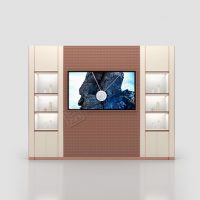

At first glance, many jewelry display cases look similar. But beneath the surface, quality varies dramatically—and those differences directly affect how your jewelry is perceived and how much it sells. Here is how to tell whether a display case meets professional standards.
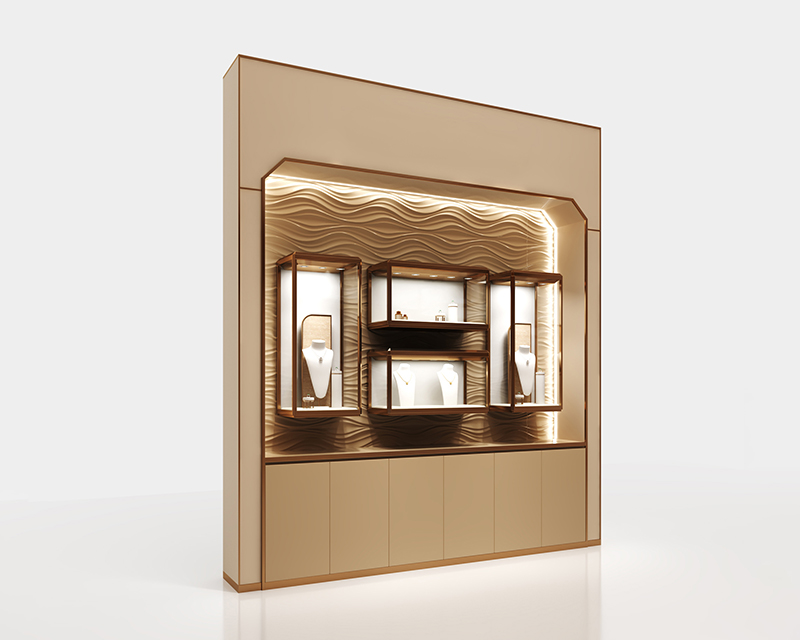
1. Examine the Glass
High-end display cases use ultra-clear low-iron glass, which has a neutral, water-clear appearance. Lower-quality cases use standard glass with a greenish tint that distorts gemstone colors. Look at the edge of the glass—if it appears green, the case uses inferior glass. Also check for optical clarity: place your hand behind the glass; if the image is slightly distorted, the glass quality is substandard.
2. Test the Lighting
Lighting should be evenly distributed, with no hot spots or dark zones. Premium cases feature high-CRI LEDs (above 90) that render colors accurately. Use a white piece of paper or a colored gemstone to test: if the color looks unnatural or washed out, the lighting is inadequate. Dimmable, adjustable lights are a sign of superior design.
3. Check the Paint Finish
Run your hand over the painted surfaces. A high-quality case feels smooth, with no dust particles, orange peel texture, or uneven gloss. Inspect edges and corners—these are where inferior finishes often show cracks, drips, or rough spots. Tap gently on the panels; a hollow sound indicates thin or poor-quality substrate material.
4. Assess Hardware and Mechanisms
Open and close drawers and doors several times. Quality cases use soft-close hinges and smooth-gliding drawer slides with no wobble. Handles and locks should feel solid, not loose or flimsy. For locking systems, test that the mechanism engages cleanly without sticking. Substandard hardware often feels gritty or misaligned.
5. Inspect Structural Integrity
Gently shake the case. A well-built case feels sturdy and heavy. Look underneath—quality cases have adjustable leveling feet and reinforced corner joints. Check that all panels align perfectly; gaps or uneven seams indicate poor craftsmanship.
6. Examine Interior Linings
Luxury cases use materials like velvet, suede, or microfiber that are non-abrasive and colorfast. Rub the lining lightly—if fibers shed or the color comes off on your fingers, the material is low-quality. The lining should fit snugly without wrinkles or loose edges.
7. Evaluate Weight and Balance
A quality display case feels substantial. Lightweight cases often use thinner materials or hollow structures. Place small weights inside to test stability—a good case remains balanced and does not tilt.
8. Ask About Craftsmanship Details
Quality manufacturers can explain their production processes: the number of paint layers, the type of glass used, the origin of the hardware. If a supplier cannot answer these questions clearly, the quality may be compromised.
Conclusion
A visually similar display case can hide major differences in materials and workmanship. By examining glass clarity, lighting performance, paint finish, hardware, and structural stability, you can distinguish between a case that merely looks good and one that truly protects and elevates your jewelry. Investing time in quality inspection ensures your display cases work as hard as your sales team.