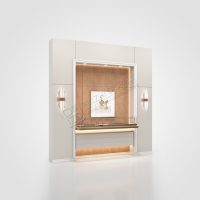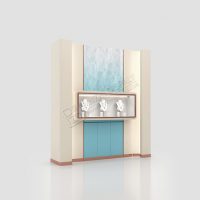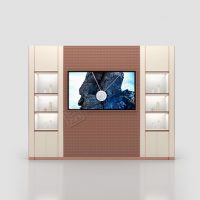

High-end jewelry is not just about value—it is about identity. A diamond solitaire speaks differently from a vintage emerald necklace, and a contemporary gold cuff demands a different stage than a heritage pearl strand. Choosing the right display case means understanding each piece’s personality and letting it shine.
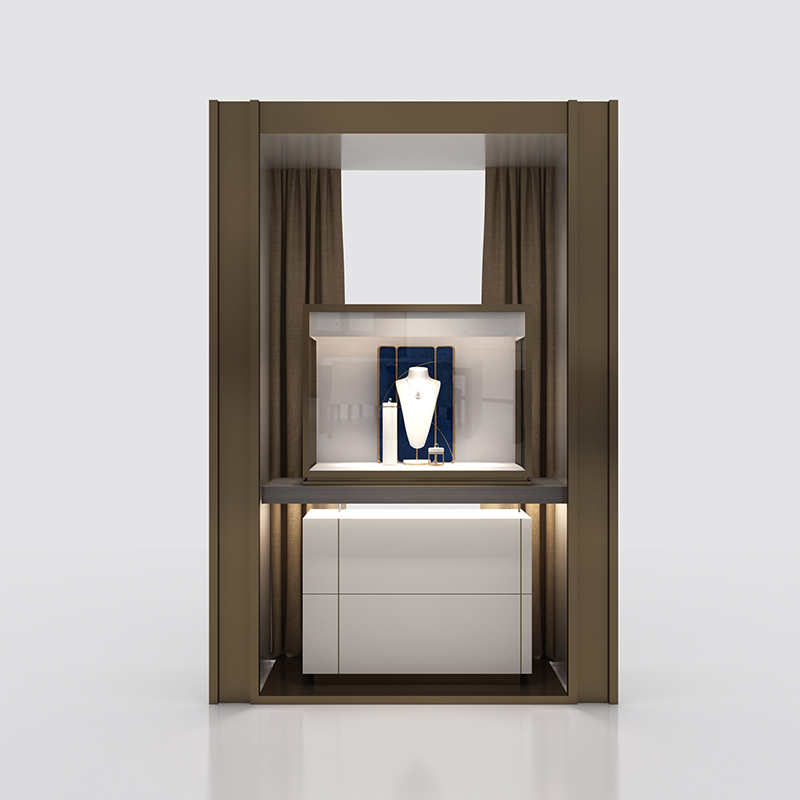
1. Diamonds: Focus on Brilliance and Fire
Diamonds thrive under **precise, focused lighting** that reveals their fire and scintillation. Opt for display cases with adjustable LED spotlights and ultra‑clear glass, which enhances the stone’s sparkle without distortion. Dark, neutral interiors—like deep grey or black velvet—reduce reflection and allow the diamond’s brilliance to take center stage.
2. Colored Gemstones: Prioritize True Color Rendering
Rubies, sapphires, and emeralds depend on accurate color representation. Cases with high‑CRI (Color Rendering Index) lighting (above 90) ensure that colors appear natural and vivid. Avoid overly warm or cool light, which can shift perceived hues. Soft, diffused illumination paired with a neutral background—such as ivory or light beige—prevents color clashes and highlights the stone’s natural saturation.
3. Gold and Platinum Jewelry: Emphasize Warmth and Luster
Yellow gold, rose gold, and platinum each have unique undertones. Warm LED lighting (around 2800‑3200K) enhances the richness of yellow gold, while slightly cooler tones (3500‑4000K) complement white metals. Cases with sleek, minimalist interiors—such as brushed metal or matte black—create a modern contrast that makes the metal’s polish and weight more apparent.
4. Pearls and Organic Gems: Soft, Flattering Illumination
Pearls, coral, and amber require gentle, diffused light to avoid bleaching or drying out. **Low‑heat LED lighting** with a soft, even spread is essential. Choose display cases with interiors in muted tones—cream, blush, or light grey—that complement the organic luster without overwhelming it. Avoid direct spotlights, which can create harsh shadows and reduce the pearl’s delicate sheen.
5. Vintage and Antique Jewelry: Context and Storytelling
Antique pieces often carry historical and emotional weight. Display cases that incorporate period‑appropriate materials—such as mahogany, brass accents, or velvet-lined compartments—help tell the story. Consider cases with adjustable shelving or dedicated compartments to accommodate varying sizes and shapes, ensuring each piece is presented in its historical context.
6. Contemporary and Experimental Designs: Minimalist Platforms
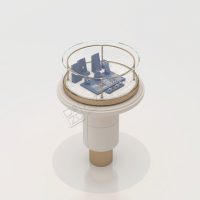
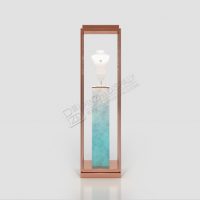
Modern jewelry often relies on bold forms and architectural lines. For these pieces, choose cases with **clean, uncluttered designs**—glass towers, floating shelves, or pedestal displays—that allow the jewelry’s geometry to speak for itself. Subtle backlighting or edge lighting can enhance the piece’s silhouette.
7. Versatility: Modular and Customizable Cases
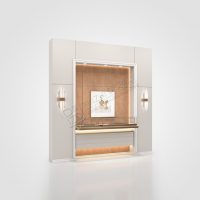
For stores with diverse collections, modular display systems offer flexibility. Adjustable shelving, interchangeable backdrops, and movable lighting tracks allow you to reconfigure the case for different styles, seasons, or promotions. This adaptability keeps the presentation fresh and relevant.
Conclusion
Each piece of high‑end jewelry has a story to tell. The right display case amplifies that story, creating a stage where brilliance, color, texture, and history converge. By selecting a case that respects the unique characteristics of your collection, you not only protect your investment but also elevate the entire customer experience.