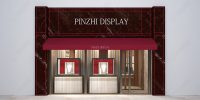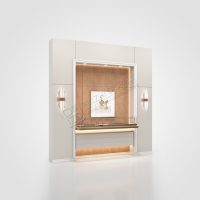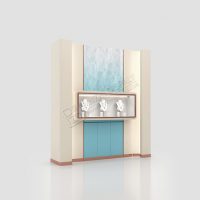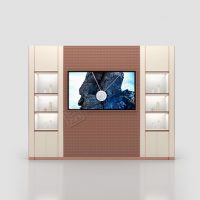

A well‑designed jewelry showroom does more than display products – it creates an emotional journey that leads to purchases. Here are key strategies to turn your space into a conversion‑focused environment.
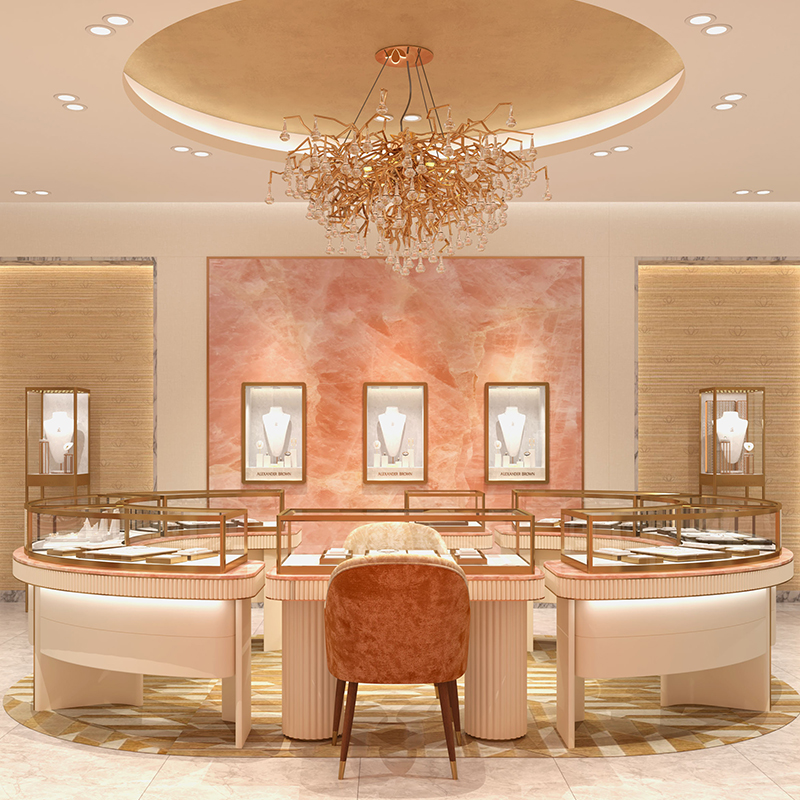
1. Guide the Eye with Strategic Layout
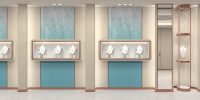
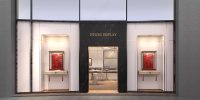
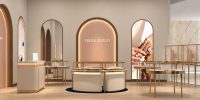
Place your hero pieces at eye level along the main path. Use a “decompression zone” near the entrance – a quieter area with a signature display that sets the tone. Then lead customers through a logical flow from high‑value to complementary items.
2. Use Lighting to Create Drama
Layered lighting is essential. Ambient light fills the room, accent lights spotlight specific jewels, and task lights help customers examine pieces closely. Warm white LEDs (3000K) create a luxurious, inviting glow. Never let shadows fall on the merchandise.
3. Invest in Custom Display Cases
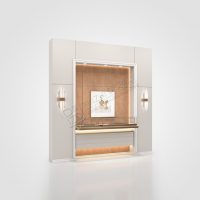
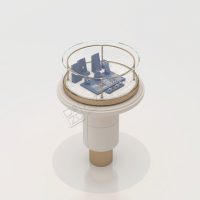
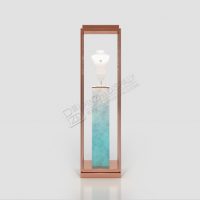
Standard showcases cannot deliver the perfect fit for your brand. Custom jewelry display cases allow you to control every detail: glass clarity (ultra‑clear low‑iron), interior lining (velvet or suede), integrated LED lighting, and secure locking systems. A well‑designed case makes each piece feel like a treasure, encouraging customers to linger and touch.
4. Create Comfortable Viewing Zones
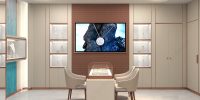
Jewelry buying is a personal experience. Provide cushioned seating, hand‑held mirrors, and adequate space for two people (customer and sales associate). A relaxed customer stays longer and is more likely to buy.
5. Tell a Story Through Visual Merchandising
Group items by collection, theme, or color. Use props and signage to narrate the inspiration behind each line. A story creates an emotional connection – and emotion drives purchase decisions.
6. Keep It Clean and Uncluttered
Empty trays and crowded displays both hurt sales. Maintain a balanced density: enough choices to feel abundant, but not so many that they become overwhelming. Clean all surfaces daily, especially glass and mirrors.
7. Integrate Digital Touchpoints
Small screens showing craftsmanship videos or 360° product views add modern engagement. They also give customers control over their exploration, building confidence before they ask to try on a piece.
8. Optimize the Point‑of‑Sale Area
The checkout zone should feel like a natural conclusion, not an afterthought. Display smaller, impulse‑buy items (earrings, pendants) near the counter, and keep the area well‑lit and organized.
Conclusion
A jewelry showroom that attracts and converts is a blend of psychology, lighting, and custom display solutions. By investing in bespoke display cases and thoughtful layout, you transform your store into a stage where every piece of jewelry shines – and customers are eager to take them home.