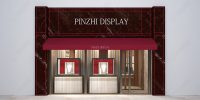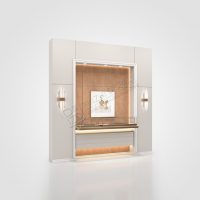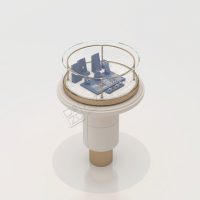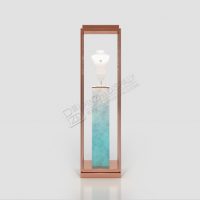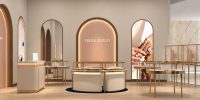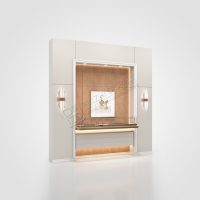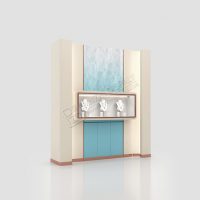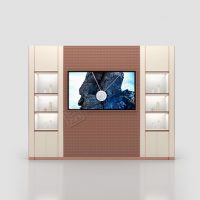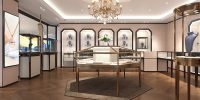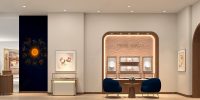

In an era of visual abundance, a growing number of high‑end jewelry brands are embracing a radically different approach: **modern minimalism**. This design philosophy strips away the unnecessary, allowing the jewelry itself to command undivided attention. It is a strategy that resonates with younger, design‑conscious consumers and brands that value innovation and clarity.
1. Core Principles: Less Is More
At its heart, modern minimalist jewelry store design is built on several foundational principles:
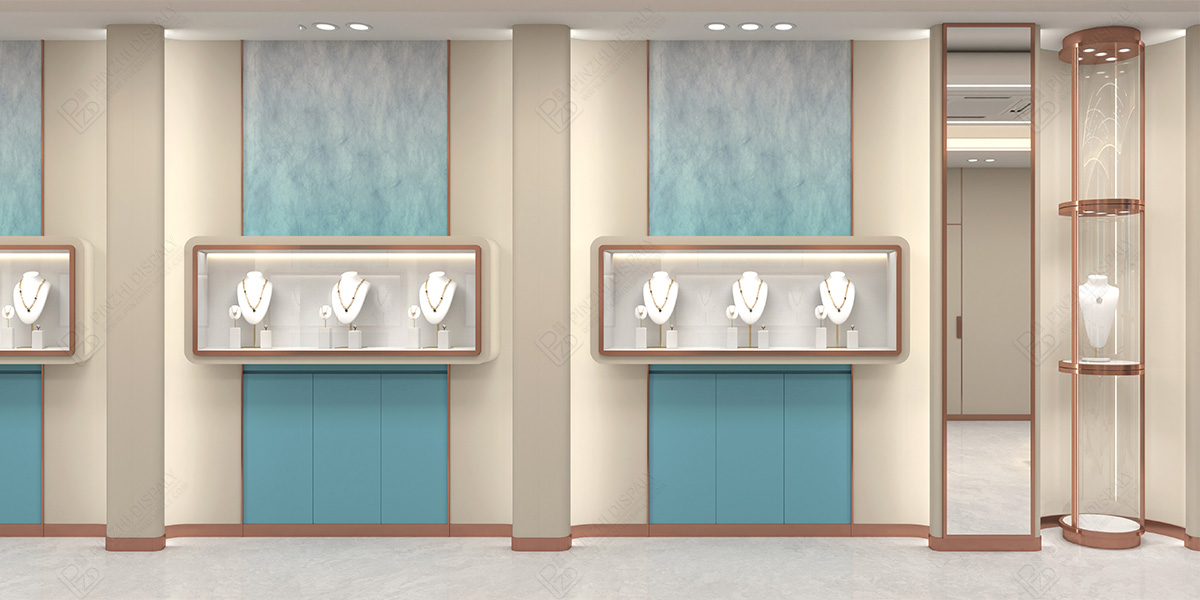
– **Clean Lines**: Every architectural element is deliberate. Straight edges, crisp angles, and seamless transitions define the space. As one design studio explains, “Clean lines, neutral hues, and softly curved edges defined the minimalist design philosophy”. The goal is to eliminate visual clutter and create a sense of calm order.
– **Neutral Color Palettes**: The palette is typically restrained — white, grey, black, cream, and beige predominate. These neutral tones serve a specific purpose: they “don’t compete with the jewelry, instead framing each piece as a refined, standalone focal point”. Some brands introduce subtle accents, such as touches of gold to “symbolize happiness and the warm glow of a sunset”, but the overall effect remains understated.
– **Open Layouts**: Walls are minimized, and sightlines are kept clear. “The space is divided into a lounge area and an exhibition area, connected through an open layout that ensures visual continuity and a sense of spaciousness”. This openness invites customers to move freely and discover the collection at their own pace.
– **Hidden Lighting**: Lighting is treated as an invisible tool. Rather than drawing attention to fixtures, it is discreetly embedded to cast “a soft, ambient glow that subtly highlights the pieces”. In some designs, light becomes a luminous envelope — “closer to the even glow of a sculptor’s north‑facing studio than the hard accent lighting that fine jewellery typically relies on to manufacture sparkle”.
2. Material Palette: Refined and Intentional
The materials chosen for a minimalist jewelry store are never accidental. They are selected for their ability to provide a sophisticated yet unobtrusive backdrop.
– **Glass**: Ultra‑clear, low‑iron glass is a staple. It offers distortion‑free transparency and, when framed minimally, “dissolves the heaviness of the conventional vitrine”. Sealed glass prevents reflection, ensuring the jewelry remains perfectly visible.
– **Stainless Steel**: Brushed or polished stainless steel is favored for its clean, modern aesthetic. In one Tokyo boutique, “the central display case, walls, counters, and most of the built‑in fixtures are made of stainless steel”, creating a minimal and inorganic space that serves as a neutral canvas for the jewelry’s colors.
– **Matte Stone and Metal**: Matte finishes add texture without introducing glare. Repossi’s Place Vendôme flagship, for example, uses “matte white stone, brushed stainless steel and ultra clear glass” as core materials, creating “pure blank background without visual noise”.
3. Atmosphere: The Jewelry Takes Center Stage
The ultimate goal of minimalist design is to make the jewelry the undisputed hero. As one designer put it, “The store was meant to be a reflection of the brand itself: sophisticated, yet allowing the jewellery to take centre stage. It was crucial that the space served as a canvas, highlighting the beauty of each piece without overpowering it”.
This philosophy transforms the store into a gallery‑like experience. Some designs draw inspiration from Japanese wabi‑sabi, creating “a serene and elegant atmosphere, perfectly complementing the precision and craftsmanship of the jewellery”. Others adopt a “blank‑space display system” that “fully highlight[s] the artistic lines of contemporary designer jewelry”. The result is a space that feels “calm and thoughtful — where the design stays subtle, allowing the jewelry to stand out and connect with visitors”.
4. Conclusion: A Strategic Choice, Not Just an Aesthetic
Modern minimalist jewelry store design is not merely about aesthetics — it is a strategic choice. It communicates confidence, clarity, and a focus on what truly matters: the jewelry itself. By stripping away the non‑essential, brands create spaces that feel timeless, memorable, and deeply aligned with the values of today’s discerning luxury consumers.