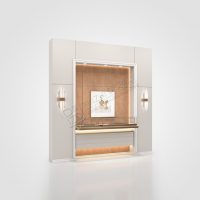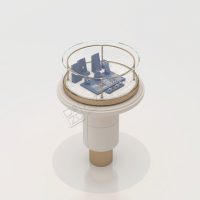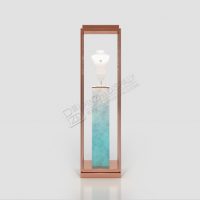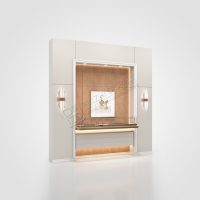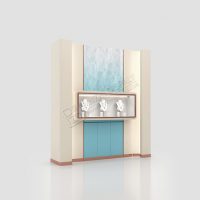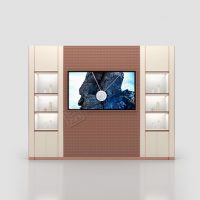

Creating a high-end jewelry showcase is a fusion of art and engineering. Beyond the visible elegance lies a series of intricate processes that determine the case’s beauty, durability, and functionality. For brands seeking custom solutions, understanding these key craftsmanship elements is essential. Here are the critical techniques that define excellence in luxury display case manufacturing.
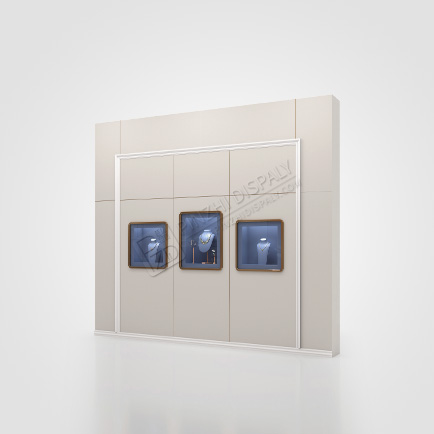
1. Precision Woodworking and Joinery
The foundation of any high-end display case is its structure. Premium manufacturers use **solid hardwoods, high-density MDF, and engineered veneers** to ensure stability and longevity. Traditional joinery techniques—such as dovetail, mortise-and-tenon, and biscuit joints—are employed to create seamless connections that withstand daily use without weakening over time.
2. Advanced Metalworking and Fabrication
Metal components—such as frames, handles, and trims—require precision engineering. CNC cutting, bending, and welding ensure that every piece fits perfectly. **Stainless steel, brass, and aluminum** are carefully finished through polishing, brushing, or coating to achieve the desired aesthetic while resisting corrosion and wear.
3. Multi-Layer Painting and Coating
The paint finish is more than surface deep. High-end cases undergo **multi-layer painting processes**—including primer, base coat, and clear coat—with sanding and curing between each layer. This creates a flawless, durable surface that resists scratches, fading, and moisture. Options like **matte, gloss, and textured finishes** are available to match brand identity.
4. Ultra-Clear Glass Integration
The glass in a display case must be both beautiful and functional. **Low-iron, ultra-clear glass** offers exceptional transparency, eliminating the greenish tint found in standard glass. Advanced techniques such as **tempering, laminating, and anti-reflective coating** ensure safety and clarity, allowing jewelry to shine without distortion.
5. Precision Lighting Integration
Lighting is a critical feature that requires careful integration. LED systems are embedded into the case design with **adjustable color temperature, dimming capability, and hidden wiring** to ensure even, glare-free illumination. The goal is to highlight the jewelry without drawing attention to the light source itself.
6. Secure Locking Systems
Security is paramount. Custom display cases incorporate **high-quality locking mechanisms**—from cam locks to electronic systems—that are discreet yet robust. The installation must be precise to maintain the case’s structural integrity and aesthetic appeal.
7. Quality Assembly and Finishing
The final assembly demands exceptional attention to detail. Each component—glass panels, lighting, locks, and hardware—is carefully fitted and aligned. Finishing touches, such as **edge banding, polishing, and protective treatments**, ensure a flawless appearance and long-term durability.
8. Rigorous Quality Control
Before leaving the workshop, every display case undergoes comprehensive inspection. This includes testing lighting systems, checking lock mechanisms, verifying glass clarity, and examining paint surfaces for imperfections. Only when all standards are met is the case approved for delivery.
Conclusion
Custom high-end jewelry display cases are the result of meticulous craftsmanship across multiple disciplines. From woodworking and metal fabrication to painting, glass integration, lighting, and security, every step must be executed with precision and care. By choosing a manufacturer that masters these key processes, you ensure your display cases not only look spectacular but also stand the test of time.