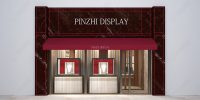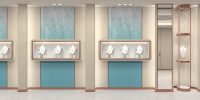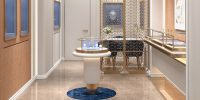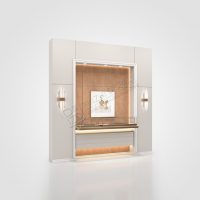

In the Middle East, jewelry is more than adornment—it is heritage, faith, and identity. For珠宝 brands serving this market, store design must go beyond aesthetics to create spaces that resonate with cultural values. Here is how to design a jewelry store that honors Islamic culture while delivering a modern luxury experience.
1. Islamic Geometric Patterns
Geometric patterns are the backbone of Islamic art, dating back to the 8th–13th century Golden Period of Islam. Beyond decoration, these patterns symbolize unity, infinity, and the interconnectedness of the universe.
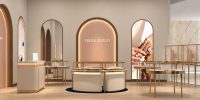
**How to apply**: Incorporate geometric motifs on walls, ceilings, or display case surfaces. Hexagonal wall niches with gold trim can act as illuminated “jewelry altars,” showcasing statement pieces in a bold, symmetrical layout. Intricate lattice screens echoing traditional mashrabiya patterns add texture and visual interest. The Sartoro Solitaire boutique in Riyadh uses geometry as both brand signature and spatial logic, creating a space that mirrors the precision of the jewelry it houses.
2. Arabic Calligraphy
Calligraphy captures the spirit of Islamic art—faith, culture, and deep meaning. It transforms a store atmosphere into something soulful and leaves a lasting impression.
**How to apply**: Use calligraphic inscriptions on feature walls, engraved on display case fronts, or as decorative accents on furniture. Consider a dedicated corner with framed calligraphy pieces and comfortable seating for business meetings. At Azza Fahmy’s Riyadh boutique, calligraphy is woven into both the architecture and the jewelry itself, with words like “love” and “happiness” inscribed on pieces.
3. Rich Textures and Premium Materials
Islamic design celebrates craftsmanship and tactile richness. Handcrafted details, warm wood, brass accents, and luxurious fabrics create an atmosphere of refined elegance.
**How to apply**: Use brass elements inspired by traditional motifs, striped grey onyx to represent continuity and progress, and marble flooring with intricate patterns. The Yataghan boutique in Jeddah incorporates brass detailing referencing the signature Yataghan blade, symbolizing precision and strength.
4. Royal Color Palettes
Color plays a vital role in Islamic-inspired design. Rich blues, purples, earthy tones, and gold accents evoke the grandeur of royal heritage.
**How to apply**: Deep blue tones, associated with pharaohs and royalty, add majesty to VIP areas. Gold accents complement the sparkle of gemstones and precious metals. The Azza Fahmy boutique uses royal blue and purple hues inspired by ancient tombs, creating a warm, intimate atmosphere while illuminating jewelry with contrasting blue lights.
5. Welcoming Layout and Comfort
Islamic hospitality values warmth and generosity. Store layouts should feel inviting rather than intimidating.
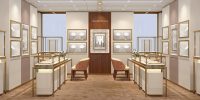
**How to apply**: Create comfortable seating areas for customers to browse at their own pace. Open, airy spaces with natural light make visitors feel welcome. The layout should encourage exploration without forcing a fixed path—allowing customers to discover jewelry as if in a traditional souk.
Conclusion
Designing a jewelry store that reflects Islamic culture is about creating an experience—one that speaks to identity, tradition, and faith. By integrating geometric patterns, Arabic calligraphy, premium materials, royal colors, and welcoming layouts, you create a space where customers feel a deep emotional connection. This connection not only enhances the shopping experience but also builds lasting brand loyalty.