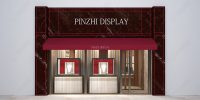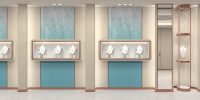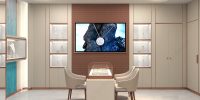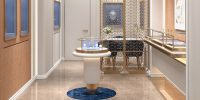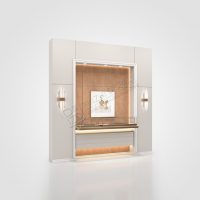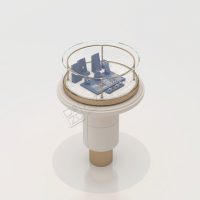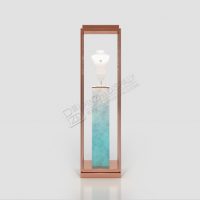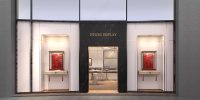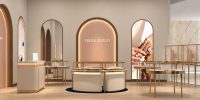

A well-designed jewelry store doesn’t just display products—it guides customers through a journey that builds trust, stirs emotion, and leads to purchase. From brand consistency to layout and display lighting, every detail influences buying decisions. Here is how to design a jewelry store that increases the likelihood of a sale.
1. Consistency Between Brand and Store Design
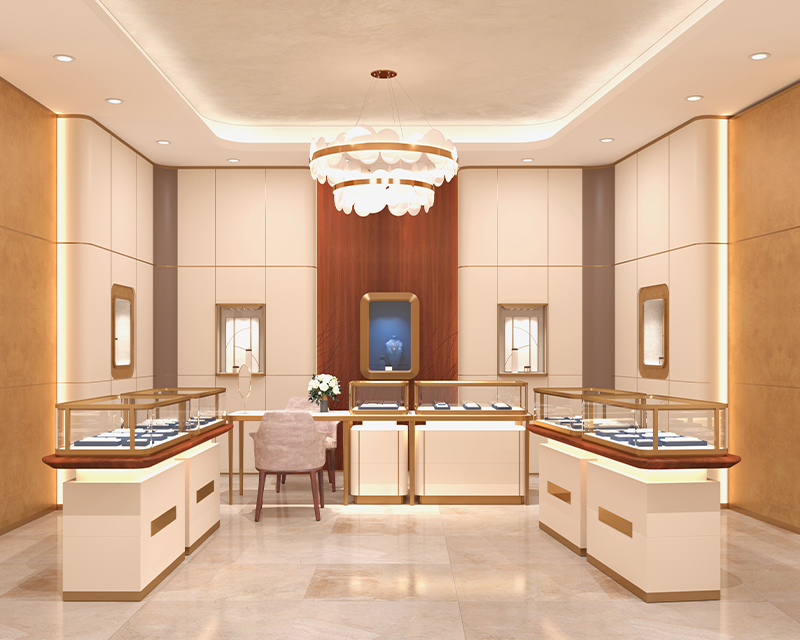
A jewelry store should be a physical extension of the brand. When customers walk in, the store’s style, colors, and materials should immediately reflect the brand’s identity—whether classic, modern, or avant-garde. This consistency builds brand recognition and reinforces a sense of luxury. When a store feels coherent and polished, customers instinctively perceive higher value, which strengthens their trust in the brand and justifies premium pricing.
2. Guiding the Customer Journey
The layout of your store should encourage exploration without feeling forced. Thoughtful design uses pathways that naturally lead customers deeper into the space, where hero products and new arrivals await. Seating areas, mirrors, and well-placed display cases invite customers to pause and engage. The longer a customer lingers, the more opportunities they have to connect with a piece and envision owning it. This is where the purchase decision often begins.
3. Visual Merchandising That Captivates
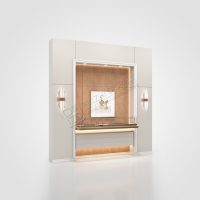
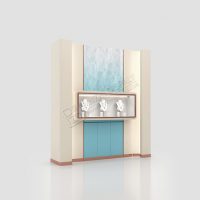
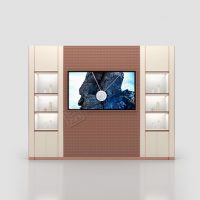
Lighting, color, and arrangement are the silent storytellers of your store. High-end jewelry display cases with ultra-clear glass and precision LED lighting ensure that every piece sparkles with its full brilliance. Strategic contrasts—such as dark interiors against warm gold accents or soft velvet backgrounds—direct attention to the jewelry and make it the undisputed hero. When the display is captivating, customers are drawn in emotionally, and a strong emotional connection is the most powerful driver of purchase intent.
4. A Warm and Inviting Atmosphere
Comfort matters. A welcoming environment—with the right music, pleasant scent, and comfortable temperature—makes customers feel relaxed and valued. When customers are at ease, they are more open to engagement and more likely to make confident decisions. The overall ambiance should resonate with the brand’s values, creating an immersive experience that stays with customers long after they leave.
Conclusion
Increasing purchase likelihood in a jewelry store goes beyond pricing or promotion—it starts with design. By aligning brand identity with store aesthetics, guiding customers through a thoughtful journey, and using captivating displays, you create an environment where buying feels natural and inevitable. Invest in design that connects, inspires, and sells.