
As we move through 2026, jewelry retail is undergoing a quiet but profound transformation. The question is no longer just “what jewelry are you selling,” but “how are you presenting it?” Here are the key design innovations reshaping high-end jewelry stores this year.
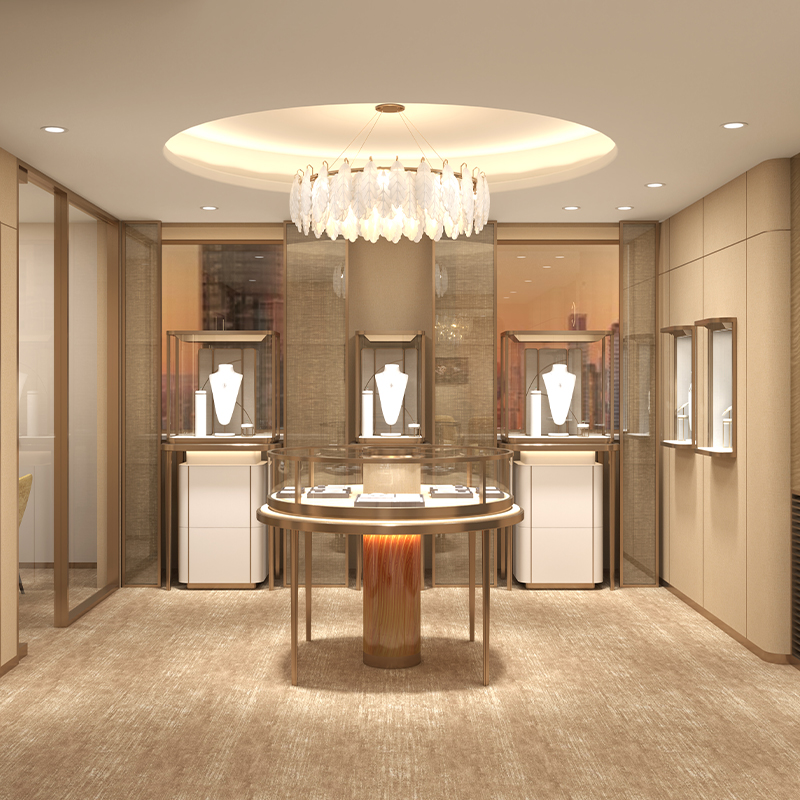
1. Experiential Display Takes Center Stage
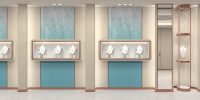
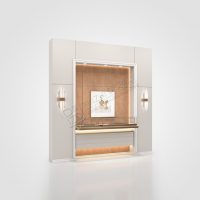
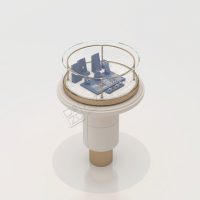
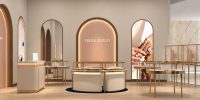
Jewelry display showcases are no longer static containers. In 2026, they become the medium through which customers experience a brand. Rather than simply protecting jewelry, modern showcases create a natural progression where customers pause, understand, and trust the brand. In immersive display environments, average customer dwell time increases by 30% to 50%, and extended dwell time directly translates into higher conversion rates and more stable average transaction values. Designers now focus on display rhythm and breathing room—ensuring each piece has the space it needs to be understood, rather than overcrowding cases. When value is clearly perceived, price becomes less of a barrier. A well-designed jewelry display showcase is no longer a display tool; it is the most important communication medium between brand and customer.
2. Digital Showcases Enable Smarter Engagement
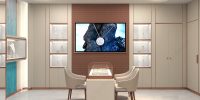
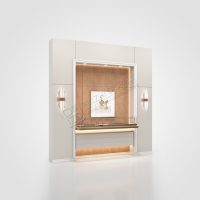
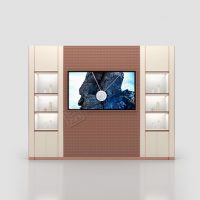
Intelligent technology is being integrated into high-end jewelry display cabinets. Adjustable color temperature lights, miniature spotlights, and concealed linear lighting systems allow each piece to receive the specific lighting it needs—diamonds require precise spotlights to reveal fire, gold needs warm, soft illumination, and colored gemstones benefit from layered lighting to bring out depth of color.Beyond lighting, interactive touchscreens let customers explore design inspiration and gemstone origins at their own pace, without pressure from sales staff. A display with emotional clarity, structure, and a sense of breathing room allows customers to experience the brand naturally, gradually building trust. Over time, that trust transforms into repeat visits, referrals, and sustained brand growth.RFID technology integrated into showcases also enables fluid customer interaction: when a customer picks up a piece, relevant information appears instantly, freeing staff from repetitive explanations and allowing them to focus fully on customer needs.
3. Gender-Neutral Displays Redefine Inclusivity
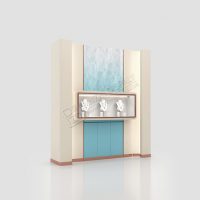
Traditional retail spaces drew clear visual distinctions—soft lighting and floral tones for women’s collections, darker woods and metallic hues for men’s. Today’s customers, especially Gen Z and Millennials, shop by identity, emotion, and personal style rather than by gender. Gender-neutral displays remove gender-coded colors and materials while keeping emotion, craft, and storytelling at their core. Neutral tones such as sand, stone, black, and pearl provide balance and sophistication. Matte metals, textured fabrics, and glass create a timeless appeal that transcends gender cues. The result is a visual harmony that prioritizes individuality over stereotypes. This inclusive approach reflects a cultural shift and opens doors to broader, more diverse customer bases.
4. Emotional Storytelling Drives Connection
Jewelry is not just a product—it is love, legacy, and celebration. The most effective displays tap into these emotions. For love-themed collections, soft golden lighting that mimics candlelight evokes warmth and intimacy. For legacy-focused pieces, rich textures like velvet, wood, or leather convey timelessness and craftsmanship. For celebratory occasions, bright lighting and subtle pops of color—gold, white, or sapphire blue—create feelings of joy. Adding small narrative elements, such as highlighting the inspiration behind a piece, reminds customers they are investing in something with meaning, not just style.
5. Sustainable and Premium Materials Rise
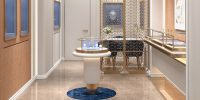
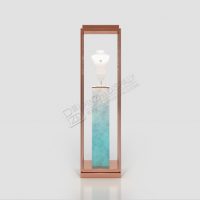
Environmental consciousness and quality have become new standards in jewelry retail design. More showcases now incorporate eco-friendly boards, low-VOC coatings, premium metal structures, and natural surface finishes. These materials not only enhance the overall quality of the showcase but also create a more comfortable and natural store environment. For jewelry brands, a set of high-quality showcases offers not just a visual experience but a tangible expression of brand philosophy. When customers admire jewelry in a healthy, elegant space, trust in the brand often builds subconsciously.
6. Dark Color Palettes Signal Luxury
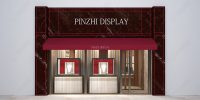
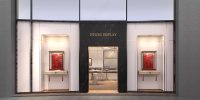
Increasingly, high-end jewelry stores are adopting deep, dark color schemes—black doors, black walls, black display cases, accented only with soft warm lighting and subtle gold touches. This approach, pioneered by brands like Laopu Gold, precisely targets high-net-worth consumers. Black is a classic tone in luxury retail; international luxury brands have long used dark color schemes to create exclusivity and sophistication. This visual language conveys premium positioning and subtly filters for high-end clientele, creating a clear visual boundary between mass-market and luxury consumption.
7. The Phygital Experience Blends Online and Offline
The distinction between digital and physical retail is blurring. AI-powered Virtual Try-On (VTO) technology allows customers to try jewelry virtually in a highly realistic manner before ever entering a store—addressing one of the biggest online purchase barriers: uncertainty of fit. Once in-store, customers expect seamless integration between online browsing and physical experience. This “phygital” approach enhances customer confidence, increases engagement, and drives higher sales. For jewelry brands, bridging this gap is no longer optional—it is essential.
As a brand specializing in **custom high-end jewelry display cases and jewelry store design**, all these innovations start with one fundamental element: the jewelry showcase itself. Before you invest heavily in advertising, ensure your in-store environment is ready to convert the traffic marketing brings. Your display cases are not just containers—they are silent salespeople.