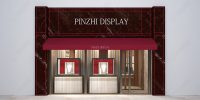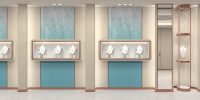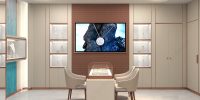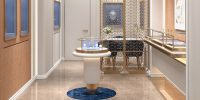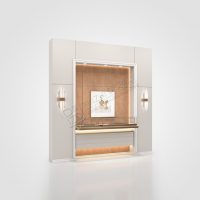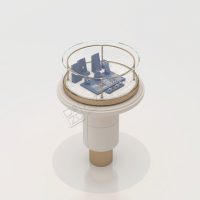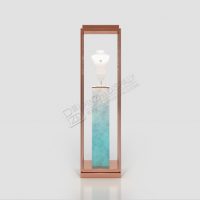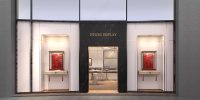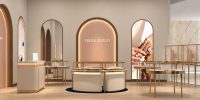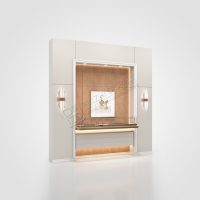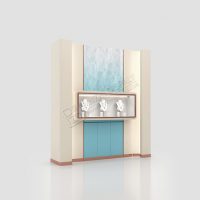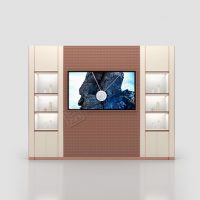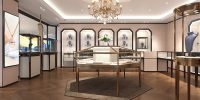

Custom high‑end jewelry display cases are more than furniture—they are strategic tools that shape brand perception and drive sales. Creating a display case that truly elevates your jewelry requires careful attention to several core factors. Here are the key points to consider.
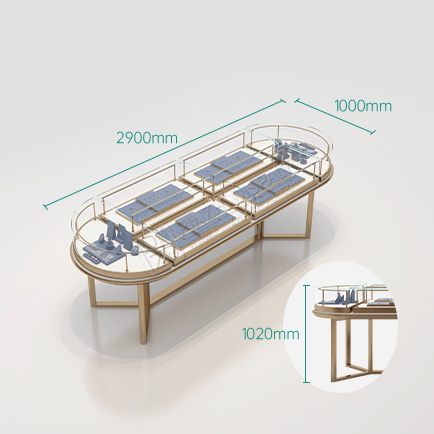
1. Understand Your Brand Identity
The display case must reflect your brand’s unique character. Whether your brand is classic, modern, minimalist, or luxurious, the design, materials, colors, and finishes should all communicate that identity consistently. Every element of the display case should tell the same story as your jewelry.
2. Prioritize Material Quality
The materials used in your display case—wood, metal, glass, fabric—directly influence how customers perceive your brand. Premium materials such as solid hardwoods, brushed stainless steel, ultra‑clear low‑iron glass, and velvet or suede interiors convey luxury and durability. Material selection also affects longevity and maintenance, so choose materials that will retain their beauty over time.
3. Design for Product Enhancement
The primary role of a display case is to make the jewelry shine. Consider how the case’s layout, color, and lighting will interact with your products. Neutral backgrounds allow colorful gemstones to stand out, while reflective surfaces can add brilliance. The case design should always enhance, not compete with, the jewelry.
4. Integrate Lighting Strategically
Lighting is critical in jewelry presentation. High‑quality LED lighting with adjustable intensity and the correct color temperature (typically 3000K for warmth) should be integrated into the case design. Lighting should highlight the jewelry without creating glare or shadows. The goal is to make each piece look its absolute best.
5. Optimize for Ergonomics and Customer Experience
A display case should be easy for customers to view and for staff to use. Consider the height, depth, and accessibility of the case. Customers should be able to see and appreciate the jewelry comfortably, and staff should have smooth access to drawers and locks. Ergonomics is key to a positive shopping experience.
6. Ensure Security Without Compromising Aesthetics
High‑value jewelry requires robust security. The case should include reinforced glass, secure locking systems, and stable construction. However, security features should be discreet and seamlessly integrated so that they do not detract from the luxurious appearance.
7. Balance Customization with Practicality
Customization offers endless possibilities, but it must be balanced with practical considerations. Ensure that the case is structurally sound, functions smoothly, and fits within your store’s space. A beautiful design is only valuable if it works perfectly in real‑world conditions.
8. Plan for Future Adaptability
Retail environments evolve. Modular designs allow for easy updates to the display layout as new collections are launched or seasons change. Consider how the display case can adapt to future needs while maintaining its initial quality and aesthetic appeal.
Conclusion
Custom high‑end jewelry display cases are a blend of art, design, and engineering. By focusing on brand identity, material quality, lighting, ergonomics, security, and future adaptability, you can create display solutions that not only protect and present your jewelry but also elevate your brand. Invest in custom cases that are as exceptional as the pieces they hold.