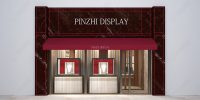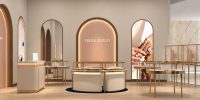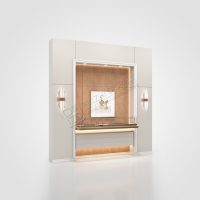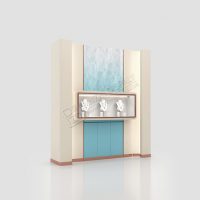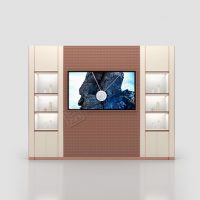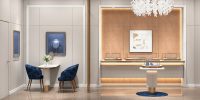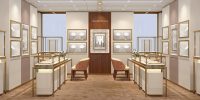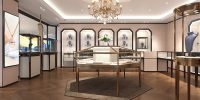

In jewelry retail, first impressions are formed in seconds. A well-designed layout does more than organize products—it guides customers’ eyes, shapes their emotions, and ultimately drives sales. Here is how to create a visually compelling jewelry store layout.
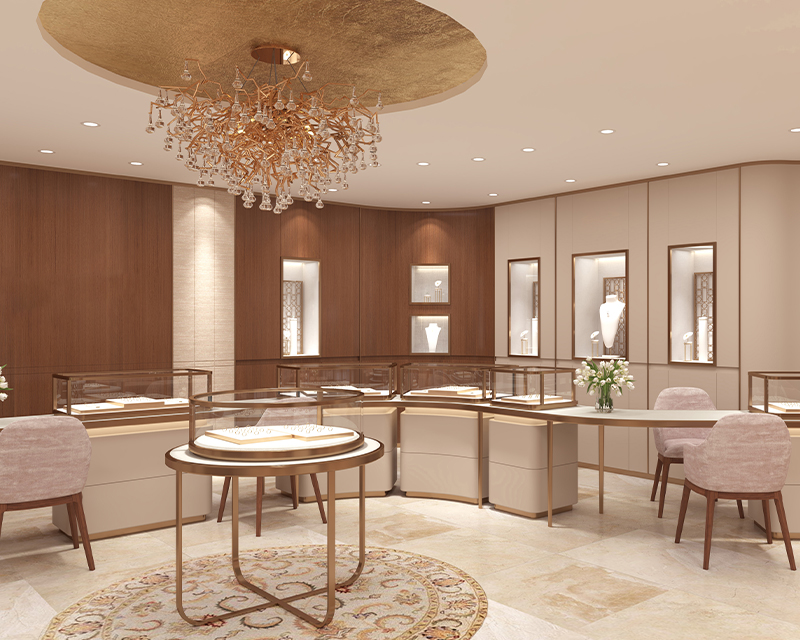
1. Define a Clear Visual Hierarchy
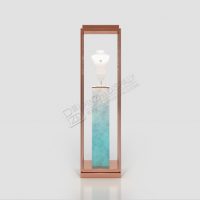
Not all jewelry deserves equal attention. Establish a visual hierarchy by placing hero pieces—high-value or new arrivals—at **eye level (110–160cm from the floor)** in central, well-lit locations. Secondary pieces can be positioned on lower shelves or side walls. This hierarchy naturally directs customers’ attention to what matters most.
2. Use Lighting as a Visual Guide
Lighting is your most powerful tool for shaping perception. Combine ambient lighting for overall illumination, accent lighting to highlight specific pieces, and task lighting for closer inspection. Warm white LEDs (3000K) create a luxurious atmosphere, while spotlights with high CRI ensure gemstones sparkle. Place brighter lights on hero products and gradually dim toward secondary areas—this creates a natural visual flow that leads customers through the store.
3. Create a Balanced and Symmetrical Layout
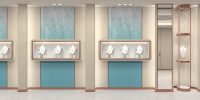
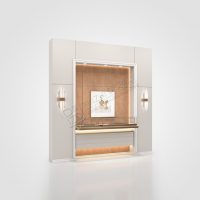
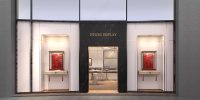
Symmetry conveys order, elegance, and professionalism. Align display cases, shelving, and pathways to create a balanced visual rhythm. However, occasional asymmetrical elements—such as a striking centerpiece display or an artful installation—can break monotony and capture attention.
4. Optimize Traffic Flow
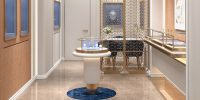
The layout should guide customers naturally through the store without feeling forced. A well-designed path leads customers from the entrance, past featured collections, and toward the checkout area. Avoid creating bottlenecks or dead ends. Allow at least **120–150cm** of aisle width for comfortable movement, especially in high-traffic areas.
5. Incorporate Visual Breaks and Focal Points
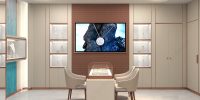
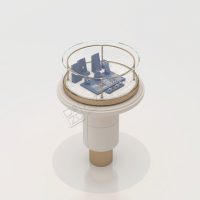
Too many display cases in a row can feel overwhelming. Introduce visual breaks—such as lounge seating, artwork, or greenery—to give customers’ eyes a moment to rest. Create focal points at the end of aisles or at the center of the store with oversized displays, dramatic lighting, or a statement piece of jewelry. These anchors keep customers engaged and encourage exploration.
6. Use Color and Materials Strategically
Colors and materials influence mood and perception. Dark, rich tones like deep blue or charcoal create intimacy and luxury, while lighter tones like cream or beige open up the space. Consistent material choices—such as wood, metal, and glass—create a cohesive brand story.
7. Design for Flexibility
Retail trends change. Modular display cases allow you to adjust the layout easily for new collections or seasonal events. This flexibility keeps the store visually fresh and responsive to customer preferences.
Conclusion
A visually effective jewelry store layout is more than just arranging cases—it is a carefully crafted experience that guides, excites, and reassures customers. By defining visual hierarchy, using lighting strategically, balancing symmetry and contrast, optimizing flow, and incorporating modular flexibility, you create a space where jewelry shines and customers are naturally drawn to explore.