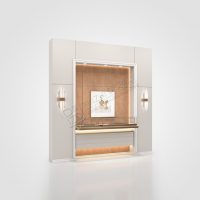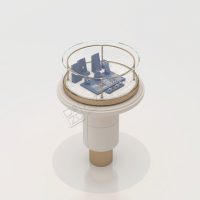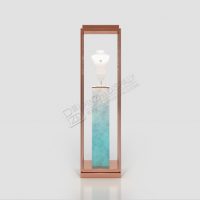

When we talk about safety in jewelry display cases, the conversation goes far beyond theft prevention. True safety encompasses physical protection for customers, durability for long-term use, and thoughtful design that prevents accidents. Here is how high-end jewelry display cases prioritize safety from every angle.
1. Structural Stability and Anti-Tip Design
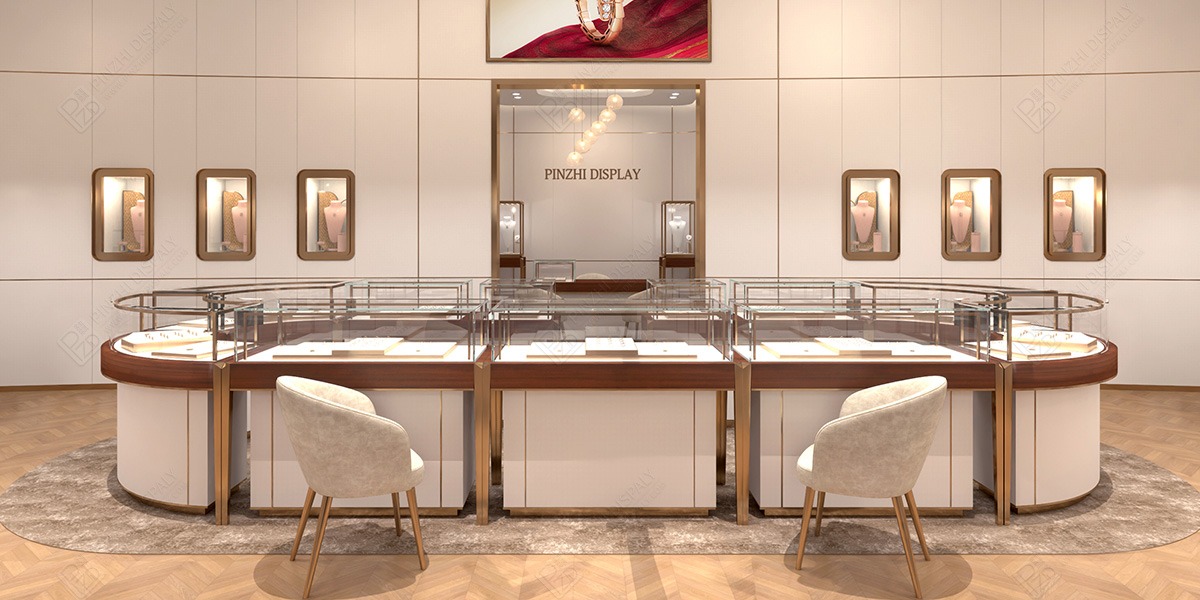
A display case that wobbles or tips is a hazard. High-end cases are engineered with low centers of gravity and wide bases to prevent tipping, even when customers lean on them or when drawers are fully extended. Adjustable leveling feet ensure stability on uneven floors, and heavy-duty construction materials provide a solid, reliable foundation that resists accidental movement.
2. Rounded Edges and Smooth Corners
Sharp corners and rough edges pose injury risks to customers, especially in busy retail environments. Premium display cases feature rounded corners, beveled edges, and smooth surface finishes to eliminate sharp contact points. These thoughtful design elements protect customers from accidental bumps and scrapes, creating a safer browsing experience.
3. Robust Glass and Secure Installations
Glass is both beautiful and potentially dangerous if compromised. High-end cases use tempered or laminated safety glass that, even when shattered, breaks into small, blunt pieces rather than sharp shards. Glass panels are securely mounted with reinforced frames to prevent detachment. Anti-slip pads and protective films further enhance safety during transport and installation.
4. Durable Construction That Resists Wear
Safety is also about long-term reliability. Cases built with inferior materials can develop loose joints, protruding screws, or failing hinges over time—all of which create hazards. High-end cases are constructed with precision joinery, corrosion-resistant hardware, and high-quality finishes that maintain their integrity for decades. Regular maintenance and quality materials reduce the risk of structural failure that could harm customers or damage the jewelry.
5. Ergonomic Design for Ease of Use
Safety extends to how staff interact with the case. Drawers that glide smoothly, handles positioned at comfortable heights, and mechanisms that operate without excessive force reduce strain and prevent accidents. Thoughtful ergonomics ensure that opening, closing, and cleaning the case are effortless and safe for everyone involved.
6. Protection Against Environmental Hazards
Humidity, temperature fluctuations, and accidental spills can damage both the case and its contents. High-end cases incorporate sealed joints, moisture-resistant finishes, and protective coatings that guard against environmental damage. These features not only protect the jewelry but also prevent warping or corrosion that could create structural weaknesses.
7. Careful Integration of Lighting and Electrical Components
Electrical components must be safely concealed and insulated. Wiring is routed through protected channels, and lighting systems are designed to remain cool to the touch, eliminating burn risks. All electrical elements comply with safety standards, ensuring that the display case remains safe even with daily use.
8. Regular Inspection and Maintenance
Even the best-designed case requires periodic checks. High-end manufacturers provide maintenance guidelines that help store owners identify and address potential issues—such as loose hinges, worn locks, or damaged glass—before they become safety concerns.
Conclusion
Safety in high-end jewelry display cases is a comprehensive commitment—to customers, staff, and the jewelry itself. From structural stability and rounded edges to durable materials and ergonomic design, every detail is considered to create an environment that is both beautiful and secure.