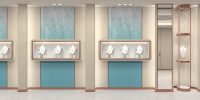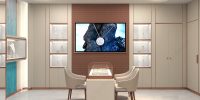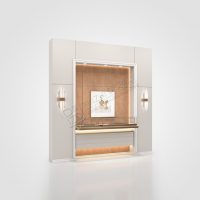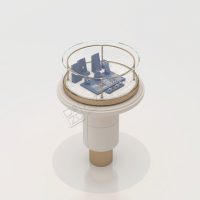

Renovating a jewelry store is an exciting opportunity to refresh your brand, improve customer experience, and boost sales. However, without careful planning, it can quickly become a costly and stressful project. Here are the critical issues to watch out for during a jewelry store upgrade.
1. Clarity of Purpose and Scope
Before starting, define what you want to achieve. Is it a complete rebranding, a refresh of the interior, or an upgrade to display cases and lighting? A clear vision prevents scope creep and keeps the project focused. Document your goals and share them with every stakeholder involved.
2. Budget and Timeline Realism
Renovation projects often exceed initial estimates. Add a contingency buffer of at least 20–30% for unexpected costs—structural issues, shipping delays, or custom case revisions. Similarly, timelines should include extra weeks for production and installation. Rushing leads to mistakes; delays cost money.
3. Impact on Customer Experience
If the store remains open during renovation, plan carefully. Create clear, safe pathways and minimize noise and dust. Consider working during off‑peak hours or overnight to avoid disrupting shopping. A chaotic environment can drive loyal customers away.
4. Employee Involvement and Training
Your staff use the space daily—they know what works and what frustrates them. Involve them early in the planning process. Their feedback can reveal practical issues like poor sightlines, insufficient counter space, or awkward storage access. After renovation, train them on new display cases, lighting controls, or security systems.
5. Consistent Brand Identity
The renovated store must reflect your brand story. Ensure that materials, colors, and display case styles align with your brand positioning. A mismatch between old and new elements confuses customers and dilutes brand trust.
6. Storage and Back‑of‑House Needs
Beautiful displays are useless without adequate storage for inventory, packaging, and daily operations. Plan secure storage areas, accessible stock drawers, and back‑office spaces that support efficient workflows.
7. Lighting and Security Integration
Renovation is the perfect time to upgrade lighting and security systems. Ensure new display cases support advanced lighting (high CRI LED, adjustable colour temperature) and integrate with reinforced locks, alarm sensors, and CCTV. Hidden corners should be eliminated to reduce theft risks.
8. Future Adaptability
Retail trends evolve. Choose modular display cases that can be reconfigured or expanded. Avoid fixed installations that permanently limit your layout. Flexibility ensures your store can adapt to new collections, seasonal changes, or future rebranding without major reconstruction.
9. Communication with Your Manufacturer
Work closely with your display case manufacturer and contractor. Provide accurate measurements, clear design briefs, and realistic deadlines. Regular communication prevents misunderstandings and ensures that custom cases arrive on time and fit perfectly.
10. Post‑Renovation Evaluation
After completion, walk through the space with your team and manufacturer. Test every display case, lighting system, and lock. Confirm that everything operates as intended and meets your expectations. Address any issues immediately before they become long‑term problems.
Conclusion
A jewelry store renovation is a significant investment. With clear planning, realistic budgeting, and the right partners, it can transform your business. Pay attention to customer experience, staff input, brand consistency, and future flexibility. Choose a manufacturer who understands the unique demands of jewelry retail—and delivers quality that matches your vision.