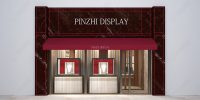

When designing a jewelry store, choosing the right display cases is one of the most important decisions you will make. The right cases not only protect your valuable merchandise but also guide customer traffic, highlight your brand identity, and ultimately boost sales. But with so many options available, where should you start?
The most practical way to classify jewelry display cases is by **placement and position** in the store. This approach directly impacts store layout, customer flow, and the overall shopping experience. Here are the main types based on placement.
By Placement: The Most Common Classification
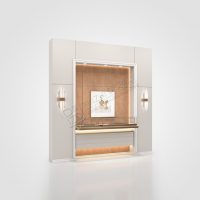
1. Wall Cases (Back Cabinets)
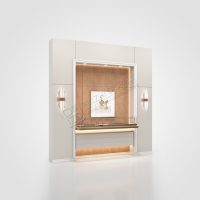
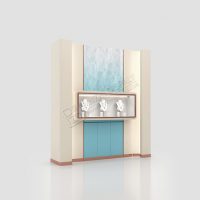
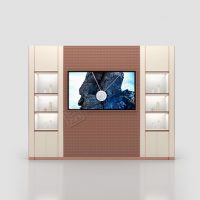
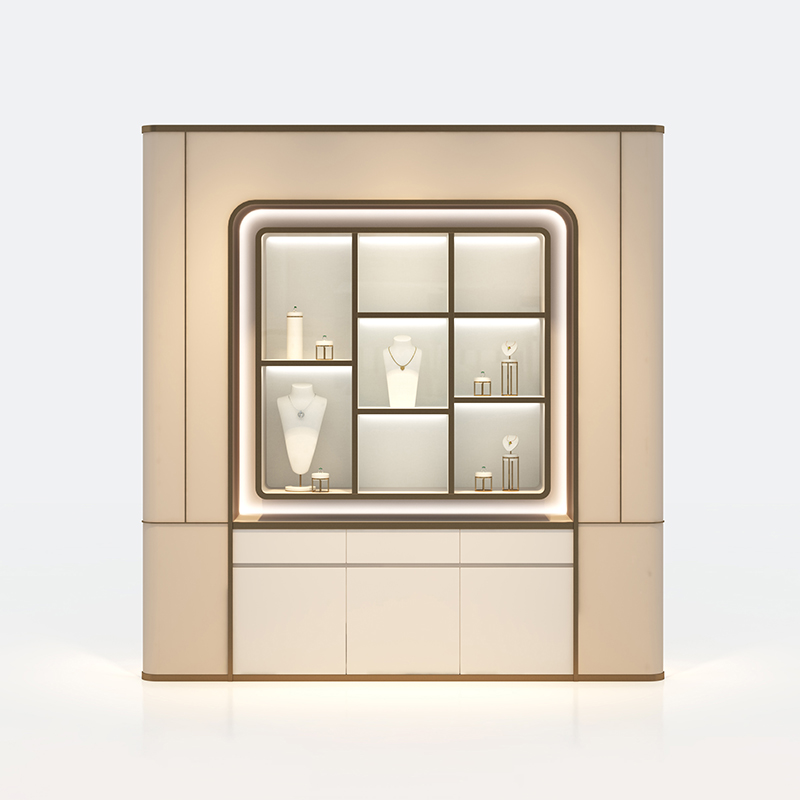
Wall cases are tall cabinets placed against the store’s walls. They typically stand about **180cm high** and are ideal for displaying necklaces, pendants, and other vertically suspended jewelry. Wall cases maximize vertical space and create a grand backdrop for your store. They are often used to showcase premium collections or brand heritage pieces.
2. Low Counters (Front Counters)
Low counters are placed at the front of the store or along customer pathways. With a height of approximately **120cm**, they are perfect for displaying rings, earrings, bracelets, and other small items that customers like to examine up close. Their lower height invites customers to lean in and appreciate the finer details of each piece.
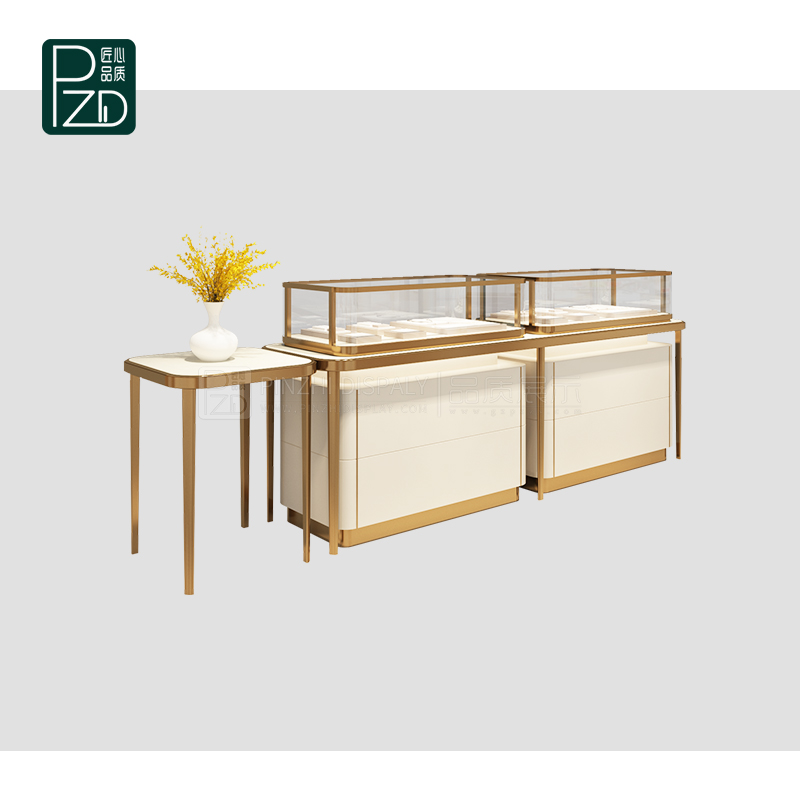
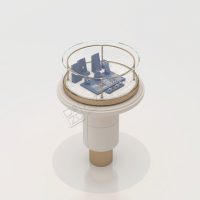
3. Island Cabinets
Island cabinets are **freestanding display units** placed in the center of the store. They serve as the visual focal point, drawing customers deeper into the space. Island cases are ideal for featuring hero products, new collections, or seasonal promotions. Their prominence makes them powerful tools for storytelling and brand expression.
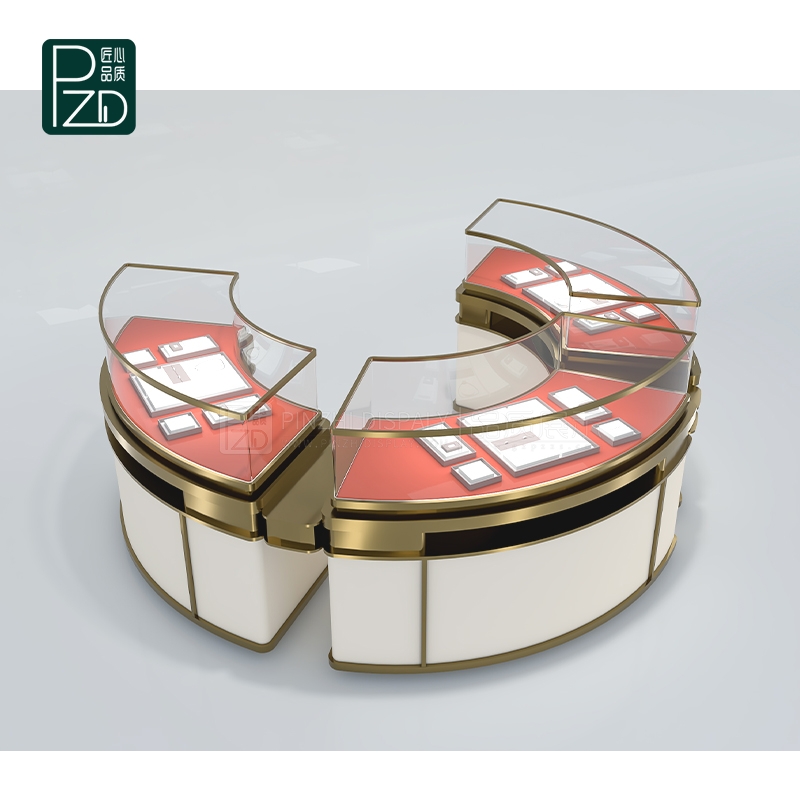
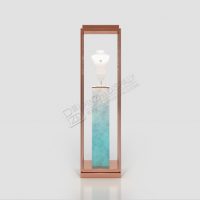
4. Showcase Counters
Showcase counters sit at the very front of the sales area, directly facing customers. These are the cases customers interact with most frequently. They typically feature glass tops and secure locking systems, making them suitable for high‑traffic items that require both visibility and protection.
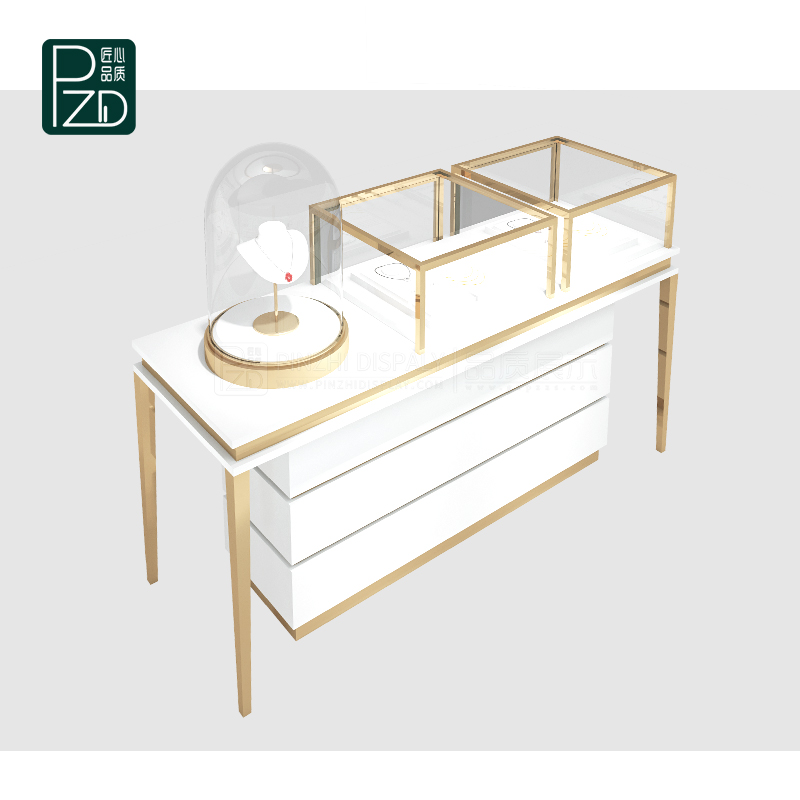
Other Classification Methods
Beyond placement, jewelry display cases can also be categorized by:
* **Material**: Wood, metal, glass, acrylic, or painted finishes.
* **Function**: Standard display, rotating, illuminated, or security-focused cases.
* **Application Scenario**: Shopping mall counters, boutique displays, or temporary exhibition booths.
Conclusion
Understanding the different types of jewelry display cases by placement helps you plan your store layout, optimize customer flow, and present your jewelry in the most attractive way. Each type serves a distinct purpose, and a well‑designed store often combines multiple types to create a cohesive, engaging retail environment.